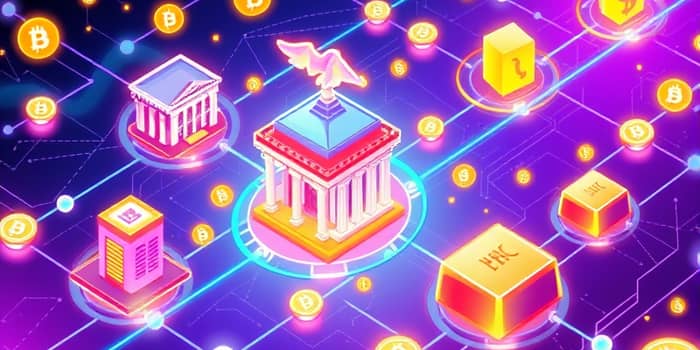
In an era where digital boundaries are continually expanding, the concept of ownership is being redefined. Traditional methods of asset management—laden with intermediaries, high fees, and limited access—are giving way to innovative blockchain-based solutions. Blockchain-enabled digital ownership is transforming how individuals and institutions interact with real-world and digital assets, democratizing investment opportunities and fostering unprecedented transparency.
Asset tokenization is the process of converting rights to physical or digital assets into digital tokens on a blockchain. These tokens serve as digital certificates of ownership, enabling holders to trade, transfer, and leverage their stake without reliance on centralized entities. Whether it’s a piece of real estate, a rare artwork, or corporate shares, tokenization bridges tangible value and the digital realm, unlocking liquidity and access on a global scale.
At the heart of asset tokenization lies blockchain, a decentralized ledger that ensures security, transparency, and persistence. Transactions are validated through consensus mechanisms, preventing any single party from altering records. Once recorded, entries become part of an immutable ledger recording transactions that provides verifiable provenance for every token. This level of trust, built on cryptographic hashing and distributed networks, empowers users to own and transfer assets with confidence.
Smart contracts provide secure and transparent transfer of ownership rights without intermediaries, automating complex processes and reducing the potential for error or fraud.
The technical process behind tokenization comprises several critical steps. It begins with identifying an asset suitable for digitization and ensuring compliance with relevant legal frameworks. Developers then select an appropriate blockchain platform and craft smart contracts to issue and manage tokens. After appraising the underlying asset’s value, tokens are minted and made available on digital marketplaces, allowing participants to buy, sell, or transfer their shares.
By digitizing ownership, tokenization brings forth a host of advantages. Investors gain the ability to own fractions of high-value assets, breaking down barriers to entry that once reserved such opportunities for the wealthy elite. Markets benefit from reduced complexity and fractional ownership and increased liquidity as tokens enable seamless, 24/7 trading on accessible exchanges. Moreover, individuals maintain direct control over their holdings, with custody residing within secure wallets rather than dependent on custodial services.
Asset tokenization extends across industries, creating new opportunities and disrupting established markets. In real estate, properties are divided into tokens that grant owners a stake in rental yields and appreciation. The art world witnesses unprecedented provenance tracking and global auctions, while gaming environments embrace tokenized in-game items as verifiable assets. Even personal data and intellectual property are finding refuge on blockchains, where creators assert rights and monetize content directly with end users.
As we move further into the digital age, the tokenization of assets stands poised to become ubiquitous. Standardized frameworks are emerging that will facilitate interoperability across multiple blockchain ecosystems, ensuring holders can transfer tokens seamlessly from one network to another. Enhanced verification mechanisms will continue to bolster security and trust, making tokenized assets both practical and lawful in global markets.
However, participants must navigate legal and regulatory complexities that vary by jurisdiction. Partnering with reputable auditors and legal advisors is paramount to ensure compliance and maintain confidence among investors. By embracing best practices and fostering collaboration between technologists, regulators, and market participants, the promise of democratized ownership can be fully realized.
Through the convergence of technology, finance, and law, asset tokenization offers a visionary pathway to a more inclusive economy. Whether you are an investor seeking diversified opportunities or a creator aiming to monetize your work, the era of permissionless liquidity and open access is here. Embrace this transformation, and be part of a revolution that redefines what it means to own value in a digital world.
References